Epilepsy facts
Epilepsy is a general term used when an individual experiences two or more seizures that cannot be tied to a specific event, trauma, fever, or adverse reaction to medication or chemicals. Epilepsy describes a group of disorders that cause disturbances in electrical signaling in the brain. Epilepsy is also known as a seizure disorder because of an individual’s tendency to have recurrent seizures.
What causes Epilepsy?
An Epileptic seizure occurs when sudden and rapid energy pulses in the brain surge due to an electrical abnormality in the brain. Depending on which area of the brain is affected, the intense burst of electrical energy can cause changes in a person’s state of consciousness, along with muscle spasms and convulsions or abnormal movements. There are many types of seizures and classifications of Epilepsy that include, grand mal seizures (sometimes referred to as tonic clonic seizures), absence seizures, partial seizures, frontal lobe Epilepsy, myoclonic Epilpsy, and focal Epilepsy. A seizure is a symptom of epilepsy, but not all seizures are caused by Epilepsy. A seizure not related to Epilepsy can be caused by a reaction to a drug, elevated fever, severe head injury, and other disorders including diabetes.
Tonic vs. Clonic
There are two phases to this type of seizure that is most commonly related to Epilepsy. The tonic phase will usually only last a few seconds where the person will rapidly lose consciousness and muscles will tense up. During the clonic phase, muscles will contract and relax, causing convulsions that may involve only a limb or the entire body. Oftentimes, before a seizure occurs, an individual may feel light-headed or dizzy, experience tingling sensations and possible changes in hearing and vision.
Epileptic seizures vary in severity and frequency, and even in the time of day they occur. While some people may experience no more than two or three seizures during their entire lifetime, others will have several seizures in one day and must find ways to adjust to living with Epilepsy. Epilepsy statistics: More than 500 people are diagnosed with Epilepsy in the United States each day, and there are an estimated 50,000,000 people worldwide living with Epilepsy.
Epilepsy in children, also known as Juvenile or Pediatric Epilepsy: More children receive an Epilepsy diagnosis than adults. Many who experience seizures in childhood will eventually outgrow them. Sometimes an individual will have a single seizure for which no cause can ever be found.
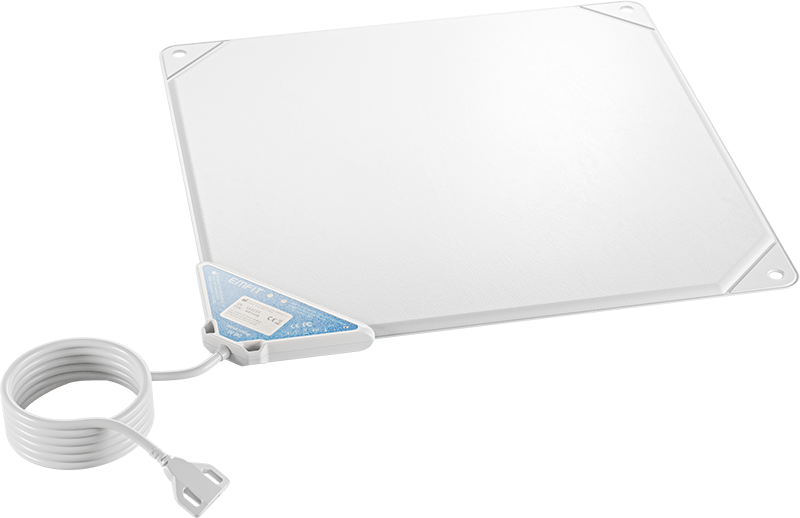
Many individuals with Epilepsy may be prone to nocturnal Epilepsy activity and will experience seizures during sleep. In these instances, it might be a good option to consider some type of system often referred to as an Epilepsy monitoring unit, bed seizure alarm, or Epileptic seizure alarm as these types of devices are ideal for monitoring and detecting abnormal movements such as muscle spasms (http://www.emfit.com/en/care/products_care/movement-monitor/). A movement monitor or detection system specifically designed for detecting seizure activity and continuous quick-paced movements over a pre-set period of time will alert a caregiver that assistance may be needed. Along with having proper Epilepsy monitoring, it’s imperative to take medication and follow Epilepsy treatments prescribed.
Epilepsy can be life-threatening, particularly if an Epilepsy disorder called status epilepticus occurs. This is a very critical situation in which a person has prolonged seizures or does not fully regain consciousness between seizures. Status epilepticus can be defined as a seizure that lasts for more than five minutes. Emergency attention is crucial as this condition can lead to permanent brain damage or even be fatal.
SUDEP (Sudden Unexplained Death in Epilepsy) is a term used to describe a seemingly non-traumatic cause of death of a person with Epilepsy who was otherwise thought to be healthy. SUDEP accounts for roughly 10% of all deaths related to Epilepsy.
There are many resources available for those who are newly diagnosed with Epilepsy. The primary goals of Epilepsy support groups and foundations are to provide important information to people with Epilepsy and to help raise Epilepsy awareness.
Emfit Ltd
Konttisentie 8 B, 40800 Vaajakoski, FINLAND
Phone: +358 14 332 9000
Fax: +358 14 332 9001
General Inquiries: info@emfit.com
Orders only: orders@emfit.com
Emfit, Corp.
P.O. Box 342394, Austin, TX 78734, USA
Office: (512) 266-6950 - Toll Free: (877) 32EMFIT
Fax: (512) 266-7203
Email: sales.us@emfit.com